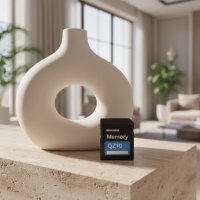
In our ever-shrinking world of gadgets, the “mini memory card” has become an indispensable hero, packing enormous storage into a space barely larger than your fingernail. If you’ve ever wondered how your smartphone, action camera, or drone manages to hold so much, you’re looking at the marvel of the microSD card. As a fifteen-year veteran in memory solutions and a content creator for Srkaj.com, I’m here to tell you that understanding these tiny titans isn’t just for tech gurus—it’s for anyone who wants to capture more life, store more memories, and optimize their digital world.

Understanding the “Mini” in Memory: MicroSD vs. MiniSD
When we talk about “mini memory cards” today, we’re almost exclusively referring to microSD cards. However, it’s worth a quick trip down memory lane to clarify the full SD card family. Initially, we had the standard SD card, quite chunky by today’s standards. Then came the miniSD card, introduced in 2003, which was an impressive miniaturization for its time. But technology moves fast, and by 2005, the even smaller microSD card emerged, quickly eclipsing miniSD and becoming the dominant compact memory format. Today, miniSD cards are largely obsolete, rarely found in new devices. For expert memory cards reviews on this site.
To put it in perspective:
- Standard SD: 32mm x 24mm x 2.1mm
- MiniSD: 21.5mm x 20mm x 1.4mm (largely obsolete)
- MicroSD: 15mm x 11mm x 1mm (the modern “mini memory card”)
So, when you hear “mini memory card,” think microSD. It’s the pint-sized powerhouse that makes modern compact electronics tick.
Why Go Mini? The Advantages of MicroSD Cards
The immense popularity of microSD cards isn’t just a fluke; it’s a testament to their incredible utility in our increasingly portable lives.
Firstly, their compact size is a game-changer. Measuring just 15x11x1mm, these cards can slide into the slimmest of devices without adding any bulk. This makes them ideal for smartphones, smartwatches, action cameras, and drones, where every millimetre counts.
Secondly, microSD cards offer incredible versatility. Many come bundled with a standard SD card adapter, allowing you to use your tiny microSD card in devices that only accept larger SD cards, like some digital cameras or laptops. It’s like having two cards in one!
Lastly, they are the primary means of expanding device storage. With internal storage on many devices hitting limits, a microSD card provides an easy, affordable way to dramatically boost your capacity for photos, videos, apps, and games, giving your favorite gadgets a new lease on life.
Decoding Your MicroSD: Key Factors to Consider
Choosing the right mini memory card isn’t just about grabbing the cheapest or largest one you see. There are crucial technical specifications you need to understand to ensure you get the best performance for your specific needs. It’s like picking the right engine for your car – size isn’t everything!
Capacity: How Much Do You Really Need?
|
Our Picks for the Best Memory Card in 2026
As an Amazon Associate I earn from qualifying purchases.
|
||
| Num | Product | Action |
|---|---|---|
| 1 | Amazon Basics microSDXC Memory Card with Full Size Adapter, A2, U3, Read Speed up to 100 MB/s, 1 Tb, Black |

|
| 2 | Amazon Basics Micro SDXC Memory Card with Full Size Adapter, A2, U3, Read Speed up to 100 MB/s, 256 GB, Black |
|
| 3 | SanDisk 256GB Extreme SDXC UHS-I Memory Card - C10, U3, V30, 4K, UHD, SD Card - SDSDXVV-256G-GNCIN |
|
| 4 | Amazon Basics Micro SDXC Memory Card with Full Size Adapter, A2, U3, Read Speed up to 100 MB/s, 512 GB, Black |
|
| 5 | SanDisk Ultra Plus 128GB SDXC UHS-I Memory Card |
|
| 6 | SanDisk 128GB Extreme PRO SDXC UHS-I Memory Card - C10, U3, V30, 4K UHD, SD Card - SDSDXXD-128G-GN4IN |
|
| 7 | SanDisk 512GB Ultra microSDXC UHS-I Memory Card with Adapter - Up to 150MB/s, C10, U1, Full HD, A1, MicroSD Card - SDSQUAC-512G-GN6MA [New Version] |
|
| 8 | Amazon Basics Micro SDXC Memory Card with Full Size Adapter, A2, U3, Read Speed up to 100 MB/s, 128 GB, Black |
|
| 9 | SanDisk 512GB Extreme microSDXC UHS-I Memory Card with Adapter - Up to 190MB/s, C10, U3, V30, 4K, 5K, A2, Micro SD Card - SDSQXAV-512G-GN6MA |
|
| 10 | 1TB Micro SD High Speed Memory Card for Car Navigation,Smartphone,Portable Gaming Devices,Camera and Drone |
|
Memory card capacities are constantly growing, but device compatibility is key. The “SD” standard has evolved into several formats:
- SD (Secure Digital): Up to 2GB (very rare now).
- SDHC (Secure Digital High Capacity): Ranges from over 2GB up to 32GB.
- SDXC (Secure Digital eXtended Capacity): Ranges from over 32GB up to 2TB. This is the most common format for modern devices and high-capacity needs.
- SDUC (Secure Digital Ultra Capacity): Supports capacities over 2TB, up to 128TB (emerging technology, not yet widely adopted).
For most everyday users, a microSDXC card in the 64GB to 512GB range is often the sweet spot, providing ample space for thousands of photos and hours of HD video. Professional videographers or drone pilots might eye 1TB or even 2TB cards for their demanding workflows.
Speed Classes: Keeping Pace with Your Life
This is where things get really technical, but don’t fret – it’s easier than it sounds! A card’s speed dictates how quickly data can be written to or read from it. Slow cards can lead to choppy video, missed photos in burst mode, or sluggish app performance.
There are several speed ratings you’ll see on a mini memory card:
- Speed Class (C2, C4, C6, C10): This indicates a minimum sequential write speed in Megabytes per second (MB/s). C10 means at least 10MB/s. This is the oldest rating and less relevant for modern, high-demand tasks.
- UHS Speed Class (U1, U3): UHS stands for Ultra High Speed.
- U1: Guarantees a minimum write speed of 10MB/s. Suitable for Full HD video recording.
- U3: Guarantees a minimum write speed of 30MB/s. Essential for 4K video recording and high-resolution burst photography.
- Video Speed Class (V6, V10, V30, V60, V90): Designed specifically for video recording, these classes ensure sustained write speeds for various video resolutions and bitrates.
- V10: 10MB/s (Full HD)
- V30: 30MB/s (4K video)
- V60: 60MB/s (Higher bitrate 4K, some 8K)
- V90: 90MB/s (Professional 8K video)
If you’re into high-quality video, look for V30 or higher.
- Application Performance Class (A1, A2): These ratings are specifically for running applications directly from a microSD card in Android devices.
- A1: Offers good random read/write speeds, making app launches and performance smoother.
- A2: Provides even faster random read/write speeds than A1, ideal for heavy multitasking and more demanding applications.
“In my fifteen years working with memory solutions, the evolution of the mini memory card, particularly microSD, has been astounding. It’s not just about shrinking size; it’s about packing incredible performance into a form factor that powers our most compact devices,” notes Dr. Anya Sharma, Chief Memory Architect at Srkaj.com.
Compatibility: Always Check Your Device
This is critical: not all devices support all card types or capacities. Always consult your device’s user manual or the manufacturer’s website to determine:
- The physical size required (e.g., microSD).
- The supported SD standard (e.g., SDHC, SDXC).
- The maximum capacity it can handle.
- The recommended speed class for optimal performance.
Trying to use an SDXC card in a device only compatible with SDHC, for instance, won’t work or will lead to errors.
Where Do Mini Memory Cards Shine? Common Use Cases
The versatility of microSD cards means they’re found in an astonishing array of devices, boosting their functionality and storage capabilities.
- Smartphones & Tablets: The most common use. Great for storing thousands of photos, hours of video, music libraries, and even offloading app data to free up internal storage. Look for A1 or A2 ratings for better app performance.
- Action Cameras (GoPro, DJI Osmo) & Drones: These devices demand high-speed cards to record continuous, high-resolution video (4K, 8K) without dropping frames. U3 and V30 (or higher like V60/V90) microSDXC cards are a must here.
- Gaming Consoles (Nintendo Switch, Steam Deck): Expand your game library significantly. High read speeds (UHS-I or better) are crucial to reduce game loading times.
- Dash Cams & Security Cameras: These often require cards with high endurance ratings, as they’re constantly writing and overwriting data. Look for “high endurance” specific cards.
- Raspberry Pi & Single Board Computers: Used as the primary storage for the operating system and data, making speed and reliability important for smooth operation.
- Portable Media Players: Still a great way to carry vast music and video collections.
Maximizing Your Mini Memory Card: Tips for Performance and Longevity
To ensure your mini memory card performs optimally and lasts longer, consider these practical tips:
- Format in Device: Always format a new card (or a card from another device) directly within the device you intend to use it with. This ensures the card is correctly configured for that device’s file system.
- Avoid Cheap Counterfeits: The market is flooded with fake memory cards that promise high capacity or speed but deliver neither. Buy from reputable retailers and well-known brands. A card that’s “too good to be true” usually is.
- Safe Removal: Always eject or unmount your card through your device’s software interface before physically removing it. Pulling it out abruptly can corrupt data or damage the card.
- Backup Important Data: Like any storage medium, mini memory cards can fail. Regularly back up critical photos, videos, and documents to a computer or cloud storage.
- Handle with Care: Though durable, avoid bending, scratching, or exposing the card to extreme temperatures or moisture. Keep it in a protective case when not in use.
Frequently Asked Questions (FAQs)
What’s the difference between a mini SD and a micro SD card?
While both are small, a mini SD card (21.5mm x 20mm x 1.4mm) is an older, largely obsolete format. A micro SD card (15mm x 11mm x 1mm) is the current, much smaller standard used in most modern compact devices.
What do the numbers and letters on a microSD card mean?
These are speed and performance ratings. “C” (Speed Class) indicates minimum write speed (e.g., C10 for 10MB/s). “U” (UHS Speed Class) specifies higher speeds (U1 for 10MB/s, U3 for 30MB/s). “V” (Video Speed Class) is for video recording performance (e.g., V30 for 4K). “A” (Application Performance Class) signifies speeds optimized for running apps (A1, A2).
Can I use any microSD card in my device?
No, device compatibility is crucial. Always check your device’s manual for the maximum supported capacity (SDHC, SDXC, SDUC) and the recommended speed class to ensure optimal functionality.
How long do mini memory cards last?
The lifespan of a mini memory card depends on its quality and how heavily it’s used (specifically, how many write/erase cycles it undergoes). High-quality cards from reputable brands can last for many years, especially “high endurance” cards designed for continuous recording in dash cams or security systems.
Is a higher capacity card always better?
Not necessarily. While more storage is great, you must ensure your device supports the capacity. Also, a very large capacity card might be overkill for simple tasks, and a fast, smaller card might be more practical and cost-effective for specific needs. Balance capacity with speed and device compatibility.
Conclusion
The mini memory card, predominantly the microSD, is a marvel of modern engineering, enabling our favorite compact devices to punch far above their weight in terms of storage and capability. By understanding the nuances of capacity, speed classes, and compatibility, you’re not just buying a piece of plastic; you’re investing in enhanced performance and expanding the horizons of your digital life. Take these insights, choose wisely, and confidently capture, store, and enjoy every moment. Your mini memory card is ready to make a big impact!
Get our weekly buyer guide
Practical specs, not advice. Unsubscribe anytime.