A 512 GB memory card offers substantial storage, capable of holding over 11 hours of 4K UHD video, approximately 128,000 high-resolution JPEG photos, or around 512 mobile games. This capacity is becoming essential for modern digital lifestyles, supporting devices like smartphones, cameras, drones, and gaming consoles that generate or consume large amounts of data, effectively future-proofing against growing file sizes.
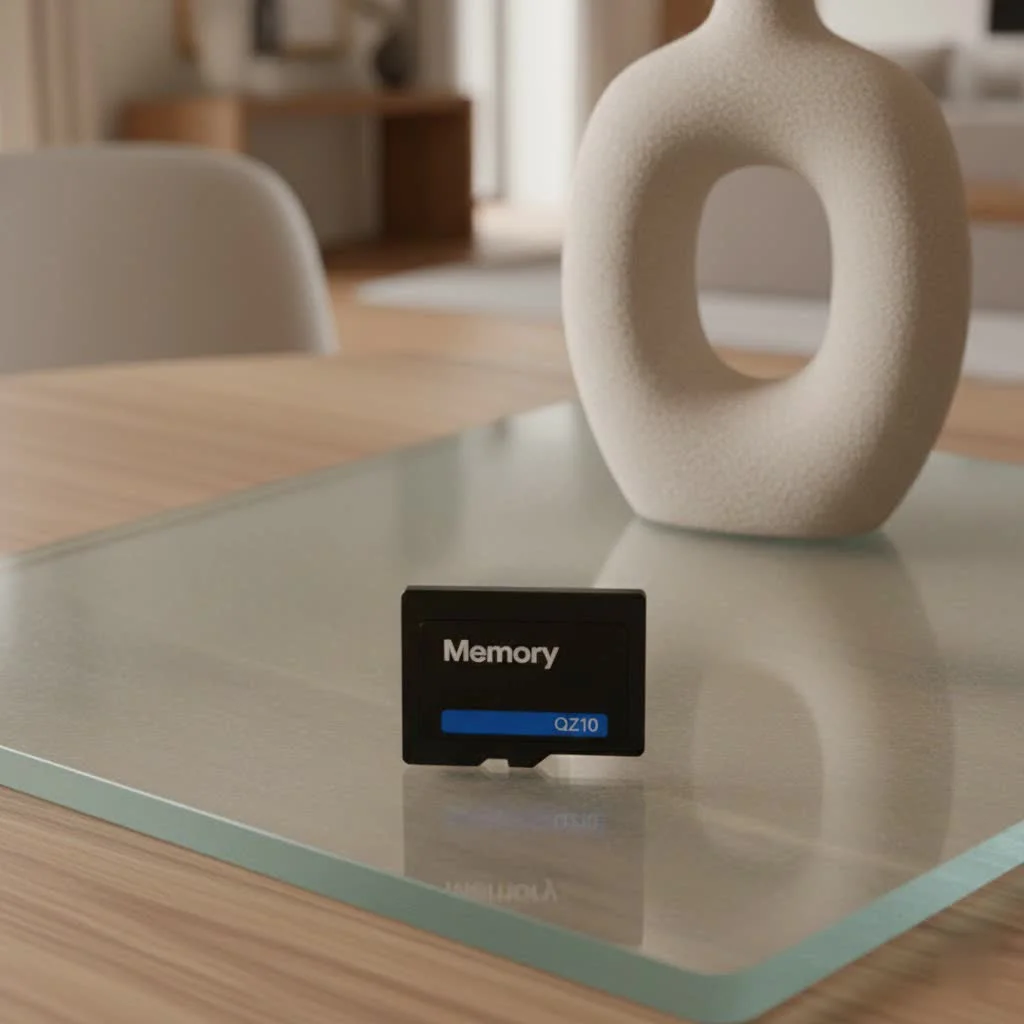 memory card for massive storage” style=”margin: 20px auto;width: 800px;max-width: 100%;height: auto” />
What Makes a 512 GB Memory Card Special?
Just a few years ago, a 512 GB memory card was a marvel, often carrying a premium price tag and primarily targeting professional use. Today, these cards have become far more accessible and represent a sweet spot between immense capacity and affordability for a broad range of users. They are designed to keep pace with the demands of modern technology, ensuring you’re never held back by insufficient space. For best memory cards roundups on this site.
Beyond “Excessive”: The New Standard for Digital Lifestyles
With smartphones recording cinematic 4K video, cameras capturing high-resolution RAW images, and gaming titles easily exceeding 50GB, internal storage often buckles under the pressure. A 512 GB memory card acts as a robust extension, effectively future-proofing your devices against the growing size of applications, operating systems, and media files. It’s about empowering you to create, play, and work without constant concern for space.
SDXC vs. microSDXC: Understanding the Form Factors
When we talk about 512 GB memory cards, we’re primarily referring to two main physical sizes:
- microSDXC (micro Secure Digital eXtended Capacity): These tiny cards are the most common for high-capacity storage in smartphones, tablets, action cameras, drones, and portable gaming devices like the Nintendo Switch.
- SDXC (Secure Digital eXtended Capacity): Larger than microSDXC cards, these are typically used in DSLRs, mirrorless cameras, and professional camcorders.
Both SDXC and microSDXC formats support capacities from 64GB up to 2TB, making them ideal for these high-density 512 GB memory cards. Always double-check your device’s manual to ensure it supports the SDXC standard and can handle a 512 GB memory card.
Who Needs This Much Space? Common Users and Their Demands
While a 512 GB memory card might seem like overkill to some, it’s quickly becoming indispensable for specific users and applications that generate or consume large amounts of data.
Capturing Life in Ultra-High Definition: Photographers & Videographers
For professional and enthusiastic photographers and videographers, a 512 GB memory card is a major upgrade. Shooting in 4K or even 8K resolution, capturing high-bitrate video, or snapping continuous bursts of RAW photos can eat through storage at an alarming rate. With a 512 GB memory card, you can focus on the perfect shot or an uninterrupted recording without constantly worrying about swapping cards or running out of space mid-shoot.
Gaming Without Limits: Console & Mobile Enthusiasts
|
Our Picks for the Best Memory Card in 2026
As an Amazon Associate I earn from qualifying purchases.
|
||
| Num | Product | Action |
|---|---|---|
| 1 | SanDisk Ultra Plus 128GB SDXC UHS-I Memory Card |

|
| 2 | SanDisk 128GB Extreme PRO SDXC UHS-I Memory Card - C10, U3, V30, 4K UHD, SD Card - SDSDXXD-128G-GN4IN |
|
| 3 | Amazon Basics Micro SDXC Memory Card with Full Size Adapter, A2, U3, Read Speed up to 100 MB/s, 256 GB, Black |
|
| 4 | SanDisk 512GB Ultra microSDXC UHS-I Memory Card with Adapter - Up to 150MB/s, C10, U1, Full HD, A1, MicroSD Card - SDSQUAC-512G-GN6MA [New Version] |
|
| 5 | Amazon Basics Micro SDXC Memory Card with Full Size Adapter, A2, U3, Read Speed up to 100 MB/s, 512 GB, Black |
|
| 6 | Amazon Basics microSDXC Memory Card with Full Size Adapter, A2, U3, Read Speed up to 100 MB/s, 1 Tb, Black |
|
| 7 | 1TB Micro SD High Speed Memory Card for Car Navigation,Smartphone,Portable Gaming Devices,Camera and Drone |
|
| 8 | SanDisk 256GB Extreme SDXC UHS-I Memory Card - C10, U3, V30, 4K, UHD, SD Card - SDSDXVV-256G-GNCIN |
|
| 9 | SanDisk 512GB Extreme microSDXC UHS-I Memory Card with Adapter - Up to 190MB/s, C10, U3, V30, 4K, 5K, A2, Micro SD Card - SDSQXAV-512G-GN6MA |
|
| 10 | Amazon Basics Micro SDXC Memory Card with Full Size Adapter, A2, U3, Read Speed up to 100 MB/s, 128 GB, Black |
|
Modern video games, especially on platforms like the Nintendo Switch or powerful Android/iOS devices, are massive. A single game can consume tens of gigabytes. A 512 GB memory card allows gamers to store a vast library of titles, DLCs, and game saves, ensuring instant access to their favorite adventures without the tedious process of deleting and reinstalling games. The rise of new standards like microSD Express, though currently premium-priced, promises even faster performance for future gaming consoles like the Nintendo Switch 2.
Everyday Power Users: Smartphones, Tablets, and Beyond
Even if you’re not a professional content creator or hardcore gamer, a 512 GB memory card offers incredible utility. Imagine having enough space for thousands of high-resolution photos, a massive offline music library, countless hours of downloaded movies and TV shows, and a comprehensive collection of apps, all without touching your device’s internal storage. It’s about ultimate convenience and freedom for your daily digital life.
High-Tech Hobbies: Drones, Action Cams, and Dash Cams
Drones and action cameras frequently record in 4K, generating huge video files during extended flights or extreme adventures. Similarly, dash cameras require continuous loop recording, often needing high endurance and significant capacity. A 512 GB memory card ensures that your aerial footage, adrenaline-fueled clips, or crucial driving evidence is always captured and stored reliably.
Navigating the Speed Labyrinth: Decoding Memory Card Ratings
Beyond capacity, understanding the speed ratings on your 512 GB memory card is crucial. These symbols, defined by the SD Association, tell you how quickly the card can read and write data, directly impacting performance, especially for demanding tasks like 4K video recording or running apps.
The “C” for Class: Basic Speed Ratings
The oldest standard, indicated by a number inside a “C” (e.g., C10), specifies a minimum sequential write speed.
- Class 10 (C10): Guarantees a minimum write speed of 10 MB/s, generally suitable for Full HD video recording. While still seen, most 512 GB memory cards will exceed this.
UHS Speed Class: U1 and U3 Explained
UHS (Ultra High Speed) is a newer standard, denoted by a number inside a “U”.
- UHS Speed Class 1 (U1): Guarantees a minimum write speed of 10 MB/s.
- UHS Speed Class 3 (U3): Guarantees a minimum write speed of 30 MB/s. This is essential for 4K video recording and continuous burst photography.
Video Speed Class: V10, V30, V60, V90 for Seamless Recording
The Video Speed Class, identified by a “V” followed by a number, is specifically designed for high-resolution video recording, ensuring smooth playback without frame drops.
- V10: Minimum write speed of 10 MB/s.
- V30: Minimum write speed of 30 MB/s, ideal for most 4K video recording at lower bitrates.
- V60: Minimum write speed of 60 MB/s, suitable for 8K video or professional 4K.
- V90: Minimum write speed of 90 MB/s, for the highest-end 8K video and professional cinema cameras.
For a 512 GB memory card, aiming for V30 or higher is generally recommended for optimal performance, especially with 4K content.
App Performance Class: A1 and A2 for Responsive Devices
This rating, marked by an “A” symbol, is critical for smartphones and tablets, indicating how well a card can run applications by measuring random read/write speeds (IOPS).
- A1: Minimum random read speed of 1,500 IOPS and random write speed of 500 IOPS.
- A2: Boosts these to 4,000 IOPS read and 2,000 IOPS write, providing a noticeably smoother experience when launching and using apps directly from the card.
Bus Interfaces: UHS-I, UHS-II, and the Future of SD Express
These specify the theoretical maximum speed of the card’s data transfer interface:
- UHS-I: Theoretical maximum of 104 MB/s. Most common.
- UHS-II: Features an extra row of pins, allowing speeds up to 312 MB/s. Requires a compatible device and card reader to leverage these speeds.
- SD Express: The newest and fastest standard, offering speeds comparable to SSDs, with initial cards reaching up to 880MB/s read. Currently supported by very few devices, most notably the Nintendo Switch 2.
“Choosing a 512 GB memory card isn’t just about the ‘512 GB’ number. It’s about aligning the card’s speed ratings – C, U, V, and A – with your device’s capabilities and your specific usage. A powerful card in a slow device is like putting a race car engine in a bicycle; it won’t perform to its potential.” – Dr. Elena Petrova, Lead Storage Solutions Architect at SRKAJ.com.
What Can 512 GB Really Hold? A Snapshot of Your Digital World
To put the massive capacity of a 512 GB memory card into perspective, let’s look at some approximate storage estimates:
| Content Type | Approximate Quantity on 512 GB Card |
|---|---|
| 4K UHD Video (60 Mbps) | Over 11 hours |
| 1080p Full HD Video (6 Mbps) | Over 142 hours |
| High-Res Photos (12MP JPEG) | Approximately 128,000 images |
| RAW Photos (25MB each) | Approximately 20,000 images |
| MP3 Music (4MB each) | Approximately 128,000 songs |
| Mobile Games/Apps | Around 512 games/apps (assuming avg. 1GB/app) |
| General Files (documents, etc.) | Over 500,000 files |
These numbers illustrate why a 512 GB memory card is a true storage behemoth, capable of comfortably holding vast amounts of data across various formats.
Your Buying Checklist: Choosing the Perfect 512 GB Memory Card
With so many options, picking the right 512 GB memory card can feel daunting. Here’s a simple checklist to guide your decision:
Compatibility First: Always Check Your Device’s Manual
This is paramount. Before you even think about speed or brand, verify that your device (camera, phone, drone, etc.) supports SDXC cards and can handle a 512 GB capacity. Older devices might be limited to SDHC (max 32GB) or have a specific maximum capacity limit. Using an incompatible card can lead to data corruption or simply won’t work.
Speed Up Your Workflow: Matching the Card to Your Needs
- For 4K/8K Video: Look for a 512 GB memory card with at least a V30 or U3 rating. If you’re shooting professional 8K or very high-bitrate 4K, V60 or V90 might be necessary, often found on UHS-II cards.
- For High-Res Photography (RAW/Burst): A U3 or V30 rating is generally sufficient for fast burst shooting and quick image saving.
- For Smartphones/Tablets (Apps & Media): An A2 rating will ensure the best performance for running apps directly from the card, while a U3/V30 will handle 4K video recording.
- For Gaming Consoles (e.g., Nintendo Switch): High sequential read speeds and good random performance are beneficial. Look for U3, V30, and A2 ratings for a smooth gaming experience. For the newest consoles like Switch 2, consider microSD Express if the device supports it.
The Brand Factor: Trust and Reliability
Stick to reputable brands known for quality and reliability. SanDisk, Samsung, Lexar, Integral, and Kingston are among the top manufacturers that consistently produce high-performance and durable 512 GB memory cards. These brands often come with good warranties (e.g., 10-year or lifetime limited warranties).
Smart Shopping: Price, Warranty, and Avoiding Fakes
- Price: 512 GB memory card prices have become quite competitive. While top-tier, ultra-fast cards will cost more, you can find excellent value options.
- Warranty: A good warranty provides peace of mind in case of defects or failure.
- Avoiding Counterfeits: The memory card market is unfortunately plagued by fake products. Always purchase your 512 GB memory card from authorized and reputable retailers. Be extremely wary of deals that seem “too good to be true”. Counterfeit cards often falsely advertise higher capacities or speeds than they actually possess. Tools like H2testw can verify a card’s true capacity and performance.
Keeping Your Digital Treasures Safe: Best Practices for Your 512 GB Card
A 512 GB memory card is an investment in your digital future. Treat it right, and it will serve you well for years.
Regular Formatting and Backups
- Format Regularly: Periodically formatting your card (using your device’s built-in formatter or the SD Association’s Memory Card Formatter tool) helps maintain optimal performance and file system integrity. Always back up your data first!
- Backup Your Data: While your 512 GB memory card is reliable, no storage is infallible. Regularly back up your critical files to a computer, external hard drive, or cloud storage.
Always Eject Safely
Never simply pull out a memory card while it’s in use. Always “eject” or “unmount” it safely through your device’s operating system to prevent data corruption.
Physical Care: Guarding Against Damage
Memory cards are tiny and can be fragile. Store them in protective cases when not in use, avoid extreme temperatures, and keep them away from water, dust, and static electricity. Most reputable cards are designed to be quite durable, offering protection against water, X-rays, and extreme temperatures.
Frequently Asked Questions About 512 GB Memory Cards
Is a 512 GB memory card too much for my phone/camera?
No, a 512 GB memory card is not too much for modern phones or cameras. With increasing file sizes for 4K video, high-resolution photos, and large applications, 512 GB is becoming an optimal capacity, offering future-proof storage and reducing the need for frequent data management.
Can I use a 512 GB microSD card in any device?
You can use a 512 GB microSD card in devices that explicitly support the microSDXC standard and have a maximum capacity limit of 512 GB or higher. Always consult your device’s manual for specific compatibility details to avoid errors or card failure.
What’s the best speed class for a 512 GB card for 4K video?
For 4K video recording, a 512 GB memory card should have at least a V30 (Video Speed Class 30) or U3 (UHS Speed Class 3) rating. These ratings guarantee a minimum sustained write speed of 30 MB/s, which is crucial for smooth 4K capture without dropped frames.
How do I know if a 512 GB memory card is genuine?
To verify a 512 GB memory card’s authenticity, purchase from authorized retailers and reputable brands like SanDisk or Samsung. Be cautious of unusually low prices. After purchase, use software tools such as H2testw or FakeFlashTest to confirm its true capacity and performance.
What’s the difference between a 512 GB SD card and a microSD card?
The primary difference between a 512 GB SD card and a microSD card is their physical size. SD cards are larger, typically used in DSLRs and camcorders, while microSD cards are smaller and commonly found in smartphones, drones, and action cameras. A microSD card can often be used in a standard SD slot with an appropriate adapter.
Conclusion
Investing in a 512 GB memory card is more than just buying storage; it’s about buying freedom. Freedom to capture every moment, store every file, and enjoy every app or game without hesitation. As digital content continues to grow in size and complexity, a high-capacity, high-speed 512 GB memory card ensures that your devices are always ready to keep up. By understanding the types, speed ratings, and compatibility factors, you can confidently choose the perfect 512 GB memory card to improve your digital experience and trust Srkaj.com to be your go-to source for all things memory.
Frequently Asked Questions
Is a 512 GB memory card too much for my phone/camera?
No, a 512 GB memory card is not too much for modern phones or cameras. With increasing file sizes for 4K video, high-resolution photos, and large applications, 512 GB is becoming an optimal capacity, offering future-proof storage and reducing the need for frequent data management.
Can I use a 512 GB microSD card in any device?
You can use a 512 GB microSD card in devices that explicitly support the microSDXC standard and have a maximum capacity limit of 512 GB or higher. Always consult your device's manual for specific compatibility details to avoid errors or card failure.
What's the best speed class for a 512 GB card for 4K video?
For 4K video recording, a 512 GB memory card should have at least a V30 (Video Speed Class 30) or U3 (UHS Speed Class 3) rating. These ratings guarantee a minimum sustained write speed of 30 MB/s, which is crucial for smooth 4K capture without dropped frames.
How do I know if a 512 GB memory card is genuine?
To verify a 512 GB memory card's authenticity, purchase from authorized retailers and reputable brands like SanDisk or Samsung. Be cautious of unusually low prices. After purchase, use software tools such as H2testw or FakeFlashTest to confirm its true capacity and performance.
What's the difference between a 512 GB SD card and a microSD card?
The primary difference between a 512 GB SD card and a microSD card is their physical size. SD cards are larger, typically used in DSLRs and camcorders, while microSD cards are smaller and commonly found in smartphones, drones, and action cameras. A microSD card can often be used in a standard SD slot with an appropriate adapter.
Get our weekly buyer guide
Practical specs, not advice. Unsubscribe anytime.
I finally upgraded to a 512 GB memory card for my drone and it’s been a game changer. I used to constantly worry about running out of space when shooting 4K video, but now I can fly for hours without a second thought. The transfer speeds are also really impressive, making it easy to offload all that footage quickly.
I got a 512 GB card for my new smartphone, hoping to store all my photos and videos. While the capacity is definitely there for my 128,000 high-resolution JPEGs, I’ve noticed a slight lag when trying to access some of the older files. It’s not a deal-breaker, but it’s a bit annoying when I’m trying to quickly find something.
Seriously, if you’re into mobile gaming, a 512 GB memory card is a must-have. I can fit all my favorite titles and still have room for future releases. No more agonizing over which game to uninstall! It’s made my gaming experience so much smoother and more enjoyable.
This 512 GB card is perfect for my Nintendo Switch. I downloaded so many games and still have tons of room left. It’s great not having to delete games to make space for new ones. I wish it came with a small case though, just for extra protection when I’m not using it.